Construction Labor Shortage and Prefab Steel | Ber Wilson
Construction needs 349,000 new workers in 2026, mostly to replace retirees. Ber Wilson explains how factory-built steel can keep skills in rural towns.
| By Ericson Tua'one
- Manufacturing
- Housing
The Factory Builds the Town
Author: Ericson Tua’one, Chief Executive
October 7, 2026
Every small town has a list of buildings it needs and cannot get built.
A clinic. A fire station. Housing for the teachers, nurses and deputies the town is trying to hire. The money may be there. The land may be there. The crew is not.
That gap is not a local accident. It is a national shortage that lands hardest on the places farthest from a big city.
In January, Associated Builders and Contractors estimated that the construction industry needs to attract 349,000 net new workers in 2026 just to keep the supply and demand for labor in balance. In 2027, the number rises to 456,000.
The detail that matters most is why. ABC’s chief economist, Anirban Basu, said that a majority of new worker demand in 2026 will come from retirement, not from increased demand for construction.
The industry is not short mainly because it is booming. It is short because the people who know how to build are retiring, and the industry is not replacing them fast enough.
The crew that is not coming
The Associated General Contractors of America found the same pressure in its 2025 workforce survey. Nationally, 45 percent of responding firms said worker shortages were delaying projects, either in their own crews or among their subcontractors.
Contractors described the same problems again and again. Applicants arrive without the needed skills, certifications or licenses. New hires fail to show up or quit soon after starting. A lack of reliable transportation and the need for flexible schedules keep others out. Both ABC and AGC also point to immigration enforcement as an added strain on the labor pool.
Now add competition. ABC notes that demand for electricians capable of precision wiring has surged with the rapid growth of data center construction. About one-fifth of all electricians are over 55. Basu also said shortages are more severe in areas associated with industrial megaprojects.
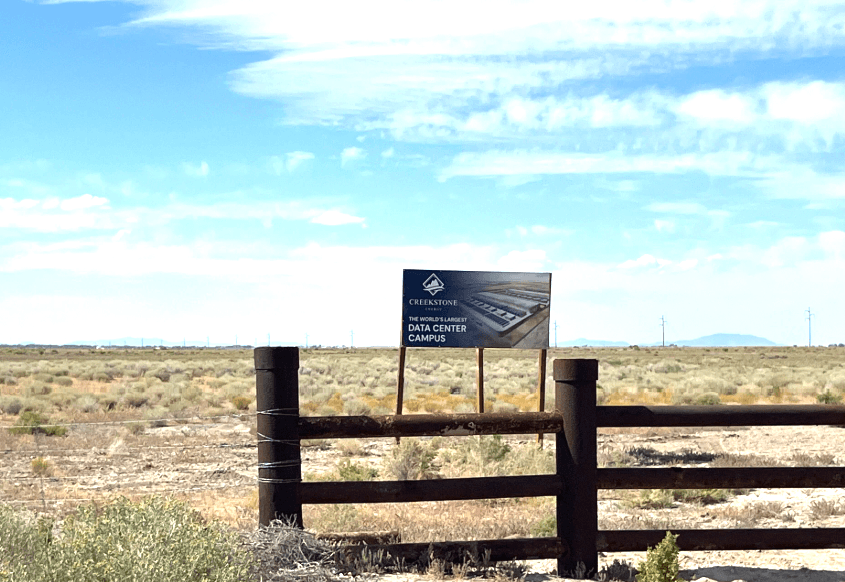
In Gigawatts in the Desert, I wrote about the data center capacity under construction in Utah. Every one of those campuses needs skilled hands. So does every clinic and fire station in every rural county.
When a small town puts a project out to bid, it competes with all of that work for the same crews.
Why the skills leave
Here is the market failure in plain terms.
Training a skilled tradesperson takes years. A contractor that pays for that training cannot be sure the worker will stay. Once trained, that worker can take the skill anywhere, often to a bigger market with steadier work. So many employers would rather hire trained workers than train new ones, and the industry as a whole trains fewer people than it needs.
Public money has not filled the gap. A summary of AGC’s 2025 survey notes that federal workforce development dollars remain heavily directed toward four-year college programs, leaving trades education underfunded.
Many contractors are responding by raising pay and expanding training. That helps. But rural towns can feel the shortage twice. When young people leave to get trained, many stay where the work is.
The result is a town with real needs, real money and no local crew to build what it needs. The work can go to outside contractors who have to price in travel, lodging and the risk of a remote job.
I come from a manufacturing background. In a plant, you do not wait for a rare specialist to show up. You design the work so that a trained team can do it right every time. That idea is the start of an answer.
Move the hard part into the plant
Much of the skill in framing a building sits in layout and cutting: reading the drawings, measuring, cutting every piece to fit and correcting the mistakes in the field.
A factory can take much of that work off the job site.
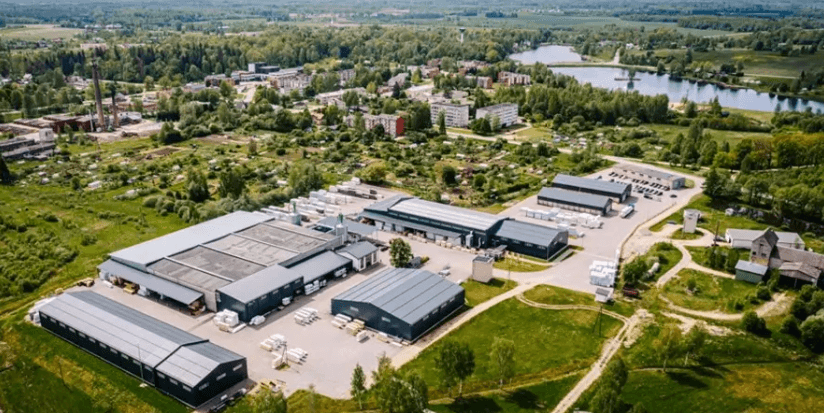
At Ber Wilson, our cold-formed steel trusses, wall panels and framing kits are engineered to the project’s loads, then cut, punched and marked in our plant to the drawing set. They arrive bundled and numbered in the order the crew sets them. The field work becomes assembly. It goes together with screw guns and a standard framing crew.
That does not eliminate the need for skilled trades. Electricians, plumbers and mechanical contractors still matter, and the shortage of electricians is real. Prefabricated framing does not solve every trade, and I will not claim that it does.
It also has to earn its place on price. Steel packages carry material costs, and ABC points to high materials prices and tariffs as pressures across the industry. Freight to a rural site is real money. As I wrote in my June post, When Fire Insurance Joins the Framing Meeting, the right comparison is the full installed cost, not the framing line alone.
What a factory changes is the first barrier. A town does not need a crew that has framed a hundred steel buildings. It needs a crew willing to learn the first one.
Picture the first frame
Picture a gravel lot at the edge of a small Utah town on a cold October morning.
A flatbed rolls in carrying bundled steel, every piece numbered. The crew is local: a contractor who has framed houses for 20 years, two of his regular hands and a young man who graduated from the county high school last spring.
None of them has ever stood a steel building.
A supervisor walks them through the first wall. Then the next. By the time the roof trusses are set, the crew is working from the drawings on its own.
This is an imagined scene, not a specific project. But it describes the approach I want on every rural job.
Keep the skill in town
The first structure is where a crew learns. If someone who knows the system stands beside them for that first frame, the next one is theirs.
That matters more than any single project. Training is only useful if it leads to more work.
If a crew in a rural county can build its town’s clinic, it can build the next town’s fire station. The paycheck stays local. The skill stays local. And the young man who poured concrete for the foundation has a reason to stay too.
That is what I mean when I say the factory builds the town. The plant handles the precision. The town keeps the work.
Six questions before the next bid
Before a rural community puts its next building out to bid, I want six answers:
- Which buildings does the town need most in the next five years?
- Which local contractors and crews could build them with the right support?
- Which parts of the work require rare skills, and which could arrive ready to assemble?
- What would it cost to bring a crew in from outside, including travel and lodging?
- Who will train the first local crew?
- What work will that crew have after this project ends?
The shortage is driven by retirements. It will not fix itself with the next good year.
The towns that build their own crews now will not have to wait in line for someone else’s.
In my next post, I will bring the series together: power, water, data centers and the people who build them, all in one town.
Stand up your first steel frame
If you are a contractor, a developer or a community leader with a building to put up in a rural town, ask Ber Wilson about a first-frame walkthrough.
Tell us the building type, the approximate size, the location and the date you are building toward. We can price the steel package and talk through how your local crew can erect it with support on site for the first structure.