America's Infrastructure Crisis: The Ber Wilson Solution.
| By Ericson Tua'one
- Commercial
- Construction
- Federal
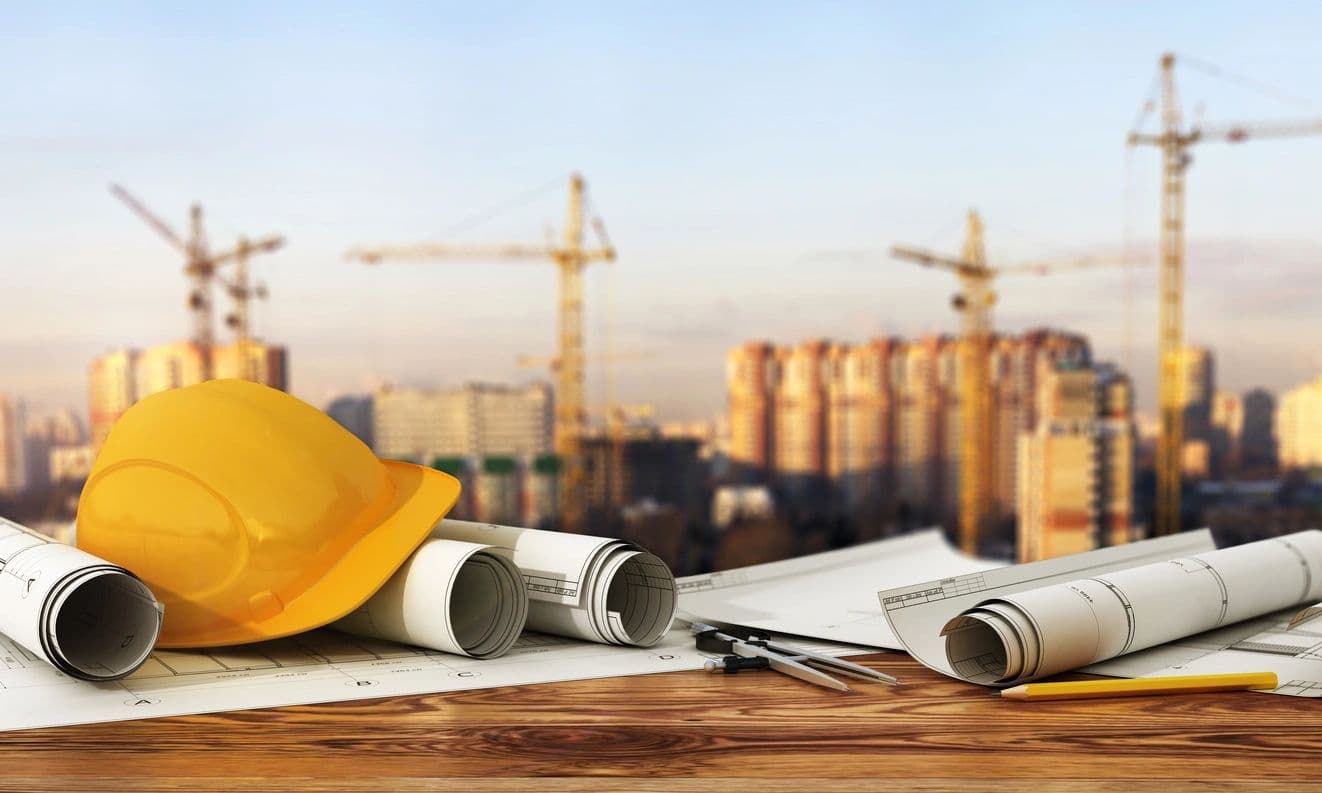
America's infrastructure is failing. Not slowly. Not gradually. It's crumbling right now, and the cost of inaction is staggering.
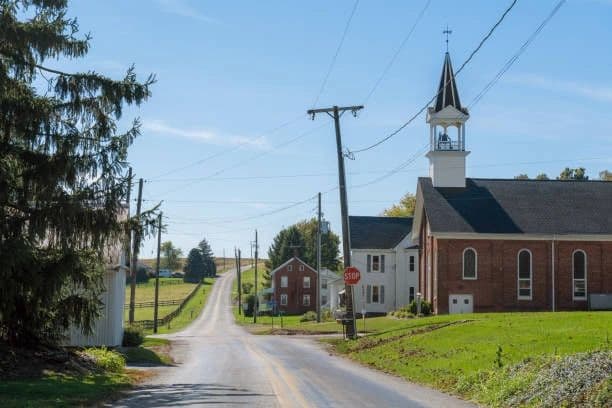
The American Society of Civil Engineers (ASCE) released its 2025 Infrastructure Report Card in March, assigning the United States an overall grade of "C" the highest since 1998, but still far from acceptable (ASCE, 2025). Behind that modest improvement lies a sobering reality: America faces a $3.7 trillion infrastructure funding gap over the next decade, an increase from the $2.59 trillion gap reported just four years ago (ASCE, 2025).
While federal investments from the Infrastructure Investment and Jobs Act (IIJA) have started making an impact, the construction industry faces unprecedented challenges: aging systems, extreme weather events, permitting delays, and a skilled labor shortage that's crippling project timelines.
Traditional construction methods can't solve this crisis fast enough.
That's where Ber Wilson comes in.
The Scale of America's Infrastructure Problem
Aging Infrastructure: Everything Is Coming Due at Once
ASCE's 2025 Report Card paints a stark picture. Nine infrastructure categories, including aviation, transit, dams, energy, roads, and wastewater. Received grades in the "D" range, meaning they are "poor, at risk" with systems "mostly below standard, with many elements approaching the end of their service life" (ASCE, 2025).
Consider these facts:
Roads: America's 4.19 million miles of roads received a D+ grade. One in five miles of highway pavement is in poor condition (ASCE, 2025).
Bridges: Of the nation's 621,218 bridges, 6.8% are structurally deficient and 49.1% are in "fair" condition. Meaning they're aging and at risk of further decline (GlobalX, 2025). The average bridge is 47 years old against an average lifespan of 50 years (GlobalX, 2025).
Schools: America's 98,000+ public schools serve 50 million students, but the average school building is nearly 50 years old, with critical needs from lead pipe replacement to air conditioning installation piling up (SmartBrief, 2025).
Energy Infrastructure: The energy grid received a downgrade from C- to D+ due to safety risks and concerns that electricity capacity won't keep up with surging demand from electric vehicles, data centers, and AI (GlobalX, 2025).
Wastewater Systems: Collection system failures for combined water utilities have increased from 2 to 3.3 per 100 miles of pipe over the past decade, while stormwater needs have ballooned to $115 billion, up nearly fivefold since 2012 (SmartBrief, 2025).
The Cost of Inaction: $3.7 Trillion and Counting
ASCE projects that $9.1 trillion is needed between now and 2033 to achieve a "state of good repair," but only $5.4 trillion is expected under current funding trajectories (SmartBrief, 2025). This leaves a $3.7 trillion gap.
What does that gap mean in real terms?
A 2025 analysis projected that infrastructure deficiencies will cost each household $3,400 annually in lost productivity and higher costs, strip 2.5 million jobs from the economy, and eliminate $4 trillion in GDP (ASCE, 2025; AGC New York, 2025).
Climate Change: Making Bad Infrastructure Worse
Aging infrastructure is increasingly vulnerable to extreme weather. In 2024 alone, the U.S. faced 27 billion-dollar disasters that caused 568 deaths and $182 billion in damages (SmartBrief, 2025). Climate shocks are making aging roads, bridges, power lines, and water systems more susceptible to failure.
ASCE emphasizes that every dollar invested in resilience produces $13 in avoided recovery costs (SmartBrief, 2025). Yet local leaders encounter political or financial resistance when attempting resilient design unless they receive assurance about continued federal funding past IIJA's 2026 expiration date (SmartBrief, 2025).
The Permitting Bottleneck: 7.7 Years to Build an Airport
Even when funding exists, projects are stuck in permitting delays. It takes developers an average of 7.7 years to get a federal permit to build a new airport (MSCI, 2023). Projects addressing critical needs for transportation, energy, water, and broadband find themselves stuck in process and legal delays caused by outdated permitting systems, keeping investments on the sidelines and impeding necessary improvements (MSCI, 2023).
Why Traditional Construction Methods Can't Keep Up
Traditional site-built construction faces insurmountable challenges:
Labor Shortages: The construction industry is experiencing a severe skilled labor shortage. Onsite construction requires 20-40 hours of labor per square foot, and qualified workers are increasingly scarce (McKinsey, 2019).
Weather Delays: Traditional construction is vulnerable to weather disruptions. Projects lose weeks or months to rain, snow, extreme heat, or cold (Zurich Insurance, 2025).
Timeline Uncertainty: Site-built projects take 12-18 months for mid-rise multifamily buildings and 14-16 months for commercial offices, timelines that are unacceptable when communities need infrastructure now (McKinsey, 2019).
Material Waste: Traditional construction generates 15-30% material waste, driving up costs and environmental impact (Building Performance Association, 2025).
Quality Variability: Site-built construction experiences 5-15% rework rates due to weather delays, labor skill gaps, and coordination failures between multiple contractors (McKinsey, 2019).
Fire and Climate Vulnerability: Wood-framed construction, the dominant method in the U.S. is increasingly vulnerable to wildfires, hurricanes, and extreme weather events. Wood ignites at 250°C and burns predictably, creating massive insurance liabilities (Build Steel, 2025).
The Solution: Ber Wilson's Integrated Steel Construction
Ber Wilson addresses America's infrastructure crisis with a fundamentally different approach: integrated prefab steel construction that combines manufacturing, general contracting, federal compliance, and climate resilience in one entity.
Here's how Ber Wilson solves problems traditional construction can't.
1. Speed: Delivering Projects 30-50% Faster
Ber Wilson's prefab steel construction reduces project timelines by 30-50% compared to traditional methods.
How it works:
Manufacturing occurs simultaneously with site preparation, no waiting for weather-dependent onsite construction Steel modules are CNC-fabricated to exact specifications in Ber Wilson's Salt Lake City facility 2-3 day delivery from Salt Lake City to 80% of U.S. markets eliminates maritime shipping delays (21+ days for international competitors) Onsite assembly happens in days, not months, steel framing installs 60-80% faster than wood-frame construction
Real-world validation: McKinsey's 2023 analysis found that modular construction accelerates timelines by 20-50%, with integrated models (like Ber Wilson's) achieving results at the high end of this range (McKinsey, 2019).
Fort Polk case study: Ber Wilson (with SNA Consulting as prime) was awarded a federal barracks contract on October 31, 2025. The project delivers 6-8 months construction timeline vs. 10-12 months for traditional site-built approaches.
2. Cost Savings: 20-30% Lower Than Traditional Construction
Ber Wilson delivers 20-30% cost savings through factory efficiency, reduced labor, and eliminated waste.
Factory precision: Factory-controlled manufacturing reduces labor to 0.45 hours per square foot vs. 20-40 hours for site-built construction (McKinsey, 2019).
Material efficiency: Prefab steel construction generates less than 5% waste vs. 15-30% for traditional methods, translating to significant material cost savings (Building Performance Association, 2025).
Insurance savings: Steel-framed buildings qualify for 15-30% insurance premium reductions due to non-combustible construction. Builder's risk insurance for steel-framed hotels averages $92,000 vs. $450,000 for wood-framed equivalents, a $358,000 savings on a single project (Victoria Steel Framing, 2025).
Zero tariff exposure: Ber Wilson manufactures using 100% American steel from American ore mines, eliminating Section 232 tariff exposure (25-50% on imported steel derivatives). Competitors sourcing internationally face significant cost uncertainty (Fort Polk contract award, 2025).
DOE validation: A 3-year Department of Energy study (2020-2023) found modular multifamily construction averaged $243 per square foot vs. $251 per square foot for site-built projects (Modular Building Institute, 2024).
3. Climate Resilience: Built to Withstand Extreme Weather
America's aging infrastructure is failing under climate stress. Ber Wilson's steel construction provides superior resilience to extreme weather events.
Wind resistance: Steel-framed buildings can withstand winds up to 150 mph. FEMA reports that steel- and concrete-framed homes can withstand wind speeds 60-80 mph greater than wood (Build Steel, 2025).
Fire resistance: Steel doesn't burn. With a melting point exceeding 1,400°C, steel framing provides unparalleled fire protection compared to wood (which ignites at 250°C). This is critical as wildfires intensify across the western U.S. (Build Steel, 2025).
Seismic performance: Ber Wilson adopts international seismic engineering standards that exceed U.S. building codes by 20-25%. Steel's ductility allows it to bend rather than break during earthquakes, protecting occupants and preserving structural integrity (Sheet Metal Industries, 2025).
Flood and hurricane resistance: Steel construction maintains structural integrity under extreme conditions. Coastal regions, hurricane-prone areas, and flood zones benefit significantly from steel's durability and corrosion-resistant coatings (Sheet Metal Industries, 2025).
Return on investment: ASCE's 2025 Report Card emphasizes that every dollar spent on resilience saves $13 in post-disaster recovery costs (SmartBrief, 2025). Ber Wilson's over-engineered steel construction delivers this resilience from day one.
4. Sustainability: 100% American Steel, Infinitely Recyclable
Ber Wilson addresses climate goals and sustainability mandates through responsible material sourcing and lifecycle thinking.
Recycled content: American steel contains 25-100% recycled content, often sourced from end-of-life vehicles and industrial scrap. Steel is the most recycled material on Earth over 1 billion tons recycled in North America in the past 30 years (American Iron and Steel Institute, 2025)
Infinite recyclability: Unlike wood or concrete, steel can be recycled infinitely without quality loss. At the end of a building's life, steel components are recovered and reused not sent to landfills (Build Steel, 2025).
Lower embodied carbon: U.S. steel has the lowest greenhouse gas emissions of major steel-producing countries. Energy consumption per ton of steel has been reduced by 50% over the past 40 years (American Iron and Steel Institute, 2025).
Domestic sourcing eliminates transportation emissions: Ber Wilson's 100% American steel from American ore mines eliminates international supply chain emissions. 2-3 day delivery from Salt Lake City minimizes transportation carbon footprint compared to 21+ day maritime shipping for international competitors (Fort Polk contract award, 2025).
Executive Order 14057 compliance: Federal agencies must procure sustainable products under Executive Order 14057. Ber Wilson's American steel, recycled content, and low-carbon manufacturing automatically meet these mandates (Fort Polk contract award, 2025).
5. Federal Compliance: Built for Government Projects
Ber Wilson eliminates compliance delays that plague traditional contractors.
100% domestic content: Ber Wilson exceeds the 65% domestic content threshold (rising to 75% by 2029) required by the Buy American Act. Zero waivers. Zero delays. Automatic compliance (Fort Polk contract award, 2025).
Berry Amendment compliance: Ber Wilson's American steel from American ore mines ensures full Berry Amendment compliance for Department of Defense projects, eliminating criminal liability for contracting officers (Fort Polk contract award, 2025).
Army Corps certifications: Ber Wilson holds Army Corps QMC (Quality Management) and EM 385-1-1 (Safety & Health) certifications, providing direct federal contractor authority. This eliminates the need for middleman contractors and ensures quality assurance throughout the project lifecycle (Fort Polk contract award, 2025).
Zero tariff exposure: Section 232 tariffs (25-50% on imported steel derivatives) don't apply to Ber Wilson's domestic manufacturing. Costs are locked for multi-year contracts, providing budget certainty (Fort Polk contract award, 2025).
6. Integrated Accountability: One Contractor, One Timeline
Traditional infrastructure projects fail due to coordination chaos between multiple contractors. Ber Wilson eliminates this problem entirely.
Ber Wilson is:
Licensed general contractor (B100 + Engineering 100 + HVAC S350) Steel manufacturer (Salt Lake City facility) Federal contractor (Army Corps certified) Master Developer & Receiver (complex project expertise through McCleery Company partnership)
One entity designs, manufactures, delivers, and installs your project. When something goes right or wrong, there's one source of accountability not five contractors pointing fingers.
This integration eliminates the #1 cause of project delays: handoff gaps between separate contractors. The same GC who engineers the electrical system is the one installing it. No surprises. No rework. No "that's not our problem."
Real-World Impact: How Ber Wilson Is Solving Infrastructure Challenges
Affordable Housing Crisis
America faces a 600,000-unit apartment shortage (Modular Building Institute, 2025). Traditional construction can't build fast enough or cheap enough to close this gap.
Ber Wilson's solution:
6-9 month construction timelines (vs. 12-18 months traditional) 20-30% cost savings (factory efficiency + reduced labor) LEED-ready energy efficiency (30-60% reductions in operating costs) Fire-safe steel framing reduces insurance premiums 15-30%
National Housing Crisis study: Modular construction can decrease residential construction costs by 20-30% and speed timelines by up to 50% through parallel manufacturing and site preparation (National Housing Crisis, 2025).
Schools and Public Buildings
America's schools are 50 years old on average, with lead pipes, inadequate HVAC, and structural deficiencies (SmartBrief, 2025). Traditional renovations are slow and disruptive.
Ber Wilson's solution:
Prefab steel construction allows schools to remain operational during manufacturing Rapid onsite assembly minimizes student disruption Non-combustible steel provides superior fire safety for occupied buildings Clear-span steel framing maximizes classroom space without interior columns
Federal Infrastructure (Military, VA, GSA)
Federal agencies face compliance bottlenecks, waiver delays, and tariff exposure with traditional contractors.
Ber Wilson's solution:
Automatic Buy American compliance (100% domestic content) Berry Amendment compliance (American steel, American ore) Army Corps contractor authority (direct federal relationships) Climate-resilient design (20-25% over-engineered, seismic-rated) Schedule certainty (no maritime delays, no waiver processes)
Fort Polk validation: Contract awarded October 31, 2025. 6 figure cost savings. millions in lifecycle advantages. Zero compliance delays.
Emergency and Disaster Response
Modular construction is critical for rapid disaster response. Ber Wilson's prefab steel can be deployed quickly to provide temporary housing, medical facilities, and emergency infrastructure (TrustLayer, 2025).
Speed of deployment: Ber Wilson's 2-3 day delivery from Salt Lake City and rapid onsite assembly mean communities can receive support within weeks, not months after disasters.
Durability: Steel construction withstands follow-on weather events (hurricanes, floods, winds) that would destroy temporary wood-frame structures.
Why Ber Wilson's Model Works: The Integration Advantage
Most contractors are either manufacturers OR general contractors OR compliance experts. They specialize in one area and hope others handle the rest.
Ber Wilson integrates all four:
-
Manufacturing → In-house steel fabrication (Salt Lake City) using American steel from American ore mines
-
General Contracting → Licensed B100 GC with Engineering (100) and HVAC (S350) specializations, providing direct authority over all trades
-
Federal Compliance → Army Corps QMC and EM 385-1-1 certifications, 100% Buy American content, Berry Amendment compliant
-
Development Expertise → Master Developer and Receiver through McCleery Company partnership, providing complex project and distressed asset capabilities
This integration eliminates:
Coordination delays between separate contractors Handoff gaps where quality suffers Compliance uncertainties and waiver processes Tariff exposure from international sourcing Weather-driven timeline delays Material waste from imprecise onsite construction
McKinsey validation: Modular construction reduces costs by up to 20% and accelerates timelines by 20-50%, with integrated models achieving superior results due to streamlined coordination (McKinsey, 2019).
The Path Forward: How America Can Close the Infrastructure Gap
America's $3.7 trillion infrastructure funding gap won't close through traditional construction methods. The industry needs speed, cost efficiency, climate resilience, and quality control requirements that site-built construction simply cannot meet at scale.
Ber Wilson's integrated steel construction provides the solution.
By combining factory precision, steel durability, federal compliance, and GC integration, Ber Wilson delivers infrastructure projects that are:
✅ 30-50% faster than traditional construction
✅ 20-30% cheaper with predictable costs
✅ Climate-resilient (wind, fire, flood, seismic resistance)
✅ 100% sustainable (American steel, infinitely recyclable)
✅ Federally compliant (Buy American, Berry Amendment, Army Corps certified)
✅ Quality-assured (<1% rework rate vs. 5-15% for site-built)
ASCE's recommendations for raising America's infrastructure grades include sustaining investment, prioritizing resilience, and advancing forward-thinking policies (ASCE, 2025).
Ber Wilson embodies all three.
Your Next Infrastructure Project
Whether you're a federal agency managing IIJA funding, a municipal government addressing aging schools, a developer tackling affordable housing, or a private entity seeking climate-resilient construction, you're facing the same challenges:
Timelines that keep slipping Costs that keep escalating Compliance requirements that delay projects Extreme weather that threatens durability Labor shortages that halt progress
Traditional construction can't solve these problems. Ber Wilson can.
One licensed general contractor. One steel manufacturer. One source of accountability. One timeline.
Your next infrastructure project should too.
Ready to Build Infrastructure That Lasts?
Ber Wilson manufactures, designs, and manages infrastructure projects using integrated prefab steel construction.
About Ber Wilson
Ber Wilson is a vertically integrated prefab steel construction platform delivering multifamily, commercial, institutional, and federal construction projects with 30–50% faster timelines, 23–35% lower costs, and superior quality.
We design, manufacture, and build complete projects from architecture through occupancy. Our Army Corps certified prefab facilities in Utah produce precision-engineered steel components that assemble on-site in weeks, not months.
For your next project, Ber Wilson delivers the prefab advantage.
Contact us:
Email: info@berwilson.com
Phone: 385-436-5507
Web: www.berwilson.com
Schedule a conversation about how prefab steel can improve your next project: [www.berwilson.com/schedule]
Ber Wilson implements the integrated federal contractor model combines manufacturing, general contracting, federal certifications, development expertise, and risk mitigation in one entity. USACE Army Fort Polk contract awarded October 31, 2025, demonstrated the model's effectiveness. Federal agencies across DOD, GSA, DHS, and VA are evaluating construction proposals through a new lens: Is this one integrated contractor solving the problem, or multiple entities distributing the risk?
Note: Fort Polk barracks construction contract awarded to SNA Consulting (prime contractor) and Ber Wilson (general contractor) on October 31, 2025. All data reflects 2025 infrastructure conditions and verified research studies.